Energy Comparison

66 kWh/t — Lowest Energy Consumption in Its Class

See how much energy the GRB2 880.264 actually consumes per tonne of pellet compared to the previous generation GRB2 750.220 and typical market competitors — and how this translates into production cost and CO2 emissions.

GRB2 880.264 vs Competition

Comparison Table

GRB2 880.264
66 kWh/t
GRB2 750.220
97.8 kWh/t
Typical Competition
~115 kWh/t
ParameterGRB2 880.264GRB2 750.220Typical Competition
Energy consumption66 kWh/t97.8 kWh/t~115 kWh/t
Throughput (forest biomass)4.0 t/h2.4 t/h2.0 – 3.0 t/h
Installed power264 kW2×110 kW200 – 280 kW
Number of rollers32typically 2

Values for typical competition are indicative, based on publicly available specifications of comparable 2-roller machines with a similar die diameter.

How It Was Measured

Measurement Methodology

The 66 kWh/t figure is reported for forest biomass — the primary reference feedstock for the GRB2 880.264 — under test conditions closely matching typical industrial operation.

  • Test feedstock Forest chips and shavings, inlet moisture 10–14%
  • Load Continuous operation at nominal throughput of 4.0 t/h
  • Power measurement Actual electrical energy draw of main drive motors, including simultaneity factor
  • Reference conditions Ambient temperature and air humidity consistent with production hall conditions (no additional feedstock pre-heating)
  • Reference standard Nawrocki internal test procedure, consistent with the methodology used in energy efficiency audits
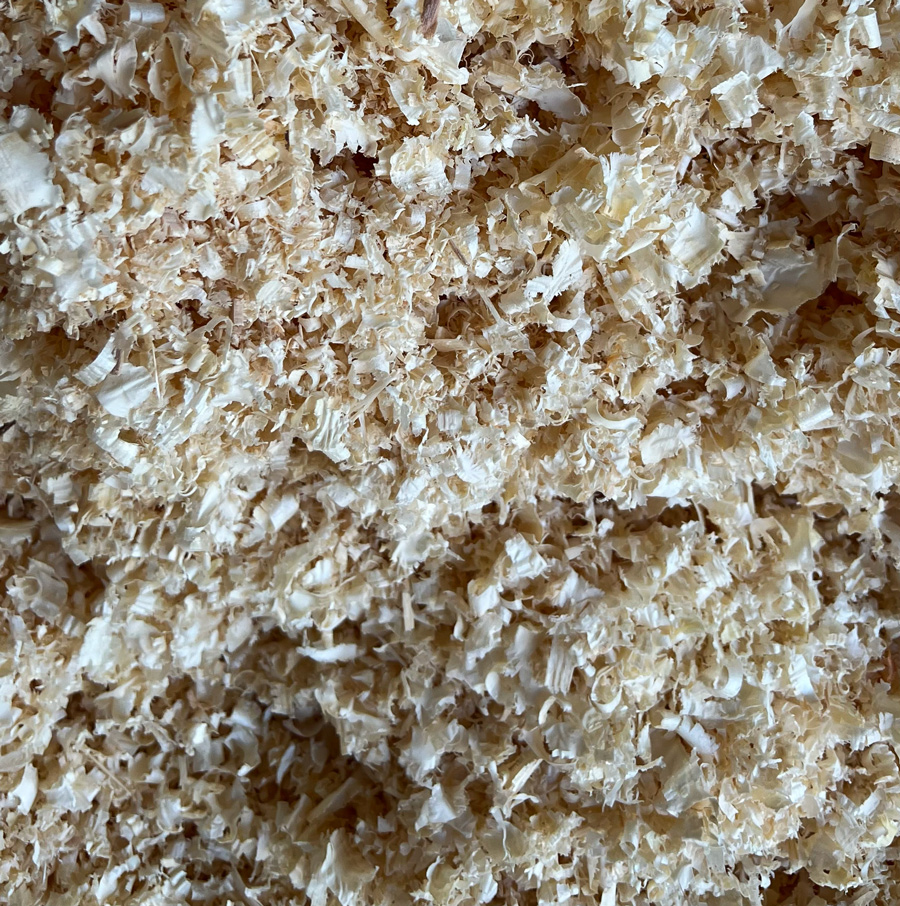
Forest sawdust — reference feedstock for the GRB2 880.264 energy efficiency measurement
Impact on Production Cost

Impact on the Cost of Producing One Tonne

Lower energy consumption per tonne of pellet directly reduces the unit cost of production — the difference compounds with annual production volume. Use the ROI calculator for an exact calculation based on your energy price and output volume.

-32%

Less energy / tonne

Compared to the GRB2 750.220, at the same electricity price.

-43%

Less energy / tonne

Compared to typical market competition (~115 kWh/t).

Scalable benefit

The cost difference grows proportionally with annual pellet production volume.

Environmental Impact

Impact on Carbon Footprint (CO2/tonne)

Lower electricity consumption per tonne of pellet means lower CO2 emissions associated with energy generation — an important argument in ESG audits and carbon footprint reporting for GRB2 880.264 customers.

MachineEnergy consumptionEstimated CO2 emissions*
GRB2 880.26466 kWh/tlower by ~32–43%
GRB2 750.22097.8 kWh/treference point
Typical competition~115 kWh/thighest in comparison

*Estimated CO2 emissions depend on the energy mix of the country in which the machine operates (e.g. the electricity generation structure of a given EU country). Percentage values refer solely to the difference in electricity consumption per tonne of product and do not constitute a certified LCA report.

Frequently Asked Questions

Frequently Asked Questions

How much energy does the GRB2 880.264 pellet mill consume per tonne of pellet?

66 kWh/t. This is significantly less than the previous generation GRB2 750.220 (97.8 kWh/t) and typical market competition (approx. 115 kWh/t).

How was the energy consumption of the GRB2 880.264 measured?

Under test conditions for forest biomass (moisture 10–14%), at nominal throughput of 4.0 t/h, measuring actual electrical energy draw of the main drive motors — which ensures data credibility for audits and customers.
Ready for the Next Step?

Check Your Return on Investment